Issue 03 / 9 · Letters on Paper
The three seconds before you post
Aug 19, 2026
A photo taken to be seen is a different photo. On keeping a record where no reaction is coming.
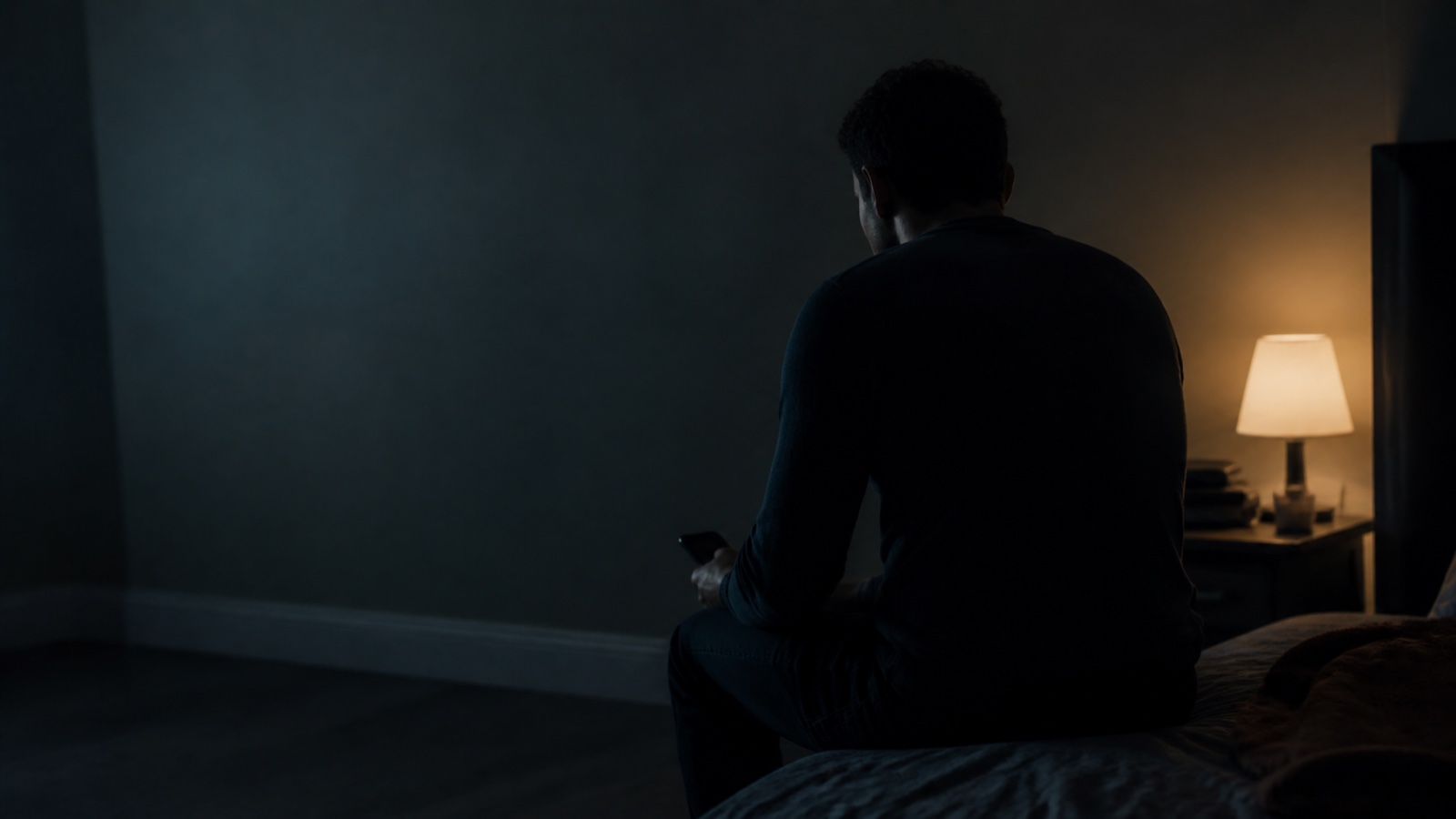
You know the pause. The photo is taken, your thumb is hovering, and for about three seconds you're weighing it. Did it come out well? What does posting this say about me? Is it too soon after the last one? Three seconds isn't long — but in those three seconds you're no longer looking at the photo. You're looking at the people who will.
An audience changes what gets kept
Anywhere you post is somewhere you're seen, and being seen changes the selection. You start keeping the photo that came out best instead of the one that held the day. The overcast window, the uneventful dinner — there's no reason to post those, so they end up nowhere at all.
The trouble is that most of a life is exactly that: time with no reason to post it. A record made with an audience in mind keeps the highlights and lets the ordinary days — the ones your life is actually made of — pass through unrecorded.
No likes, no followers, no algorithm
So inside this app there is no feed. No likes, no comments, no follower count. No algorithm recommends anything, and nobody else's day scrolls into yours. You open it to your own calendar and your own photos, and that's all.
None of this was removed. It was never built, because some records are only possible where no reaction can reach them. The photo that didn't come out well. The day you don't feel like explaining. The one line only you need to understand. None of that survives on a screen where someone might be watching.
Some days you do want to share — and for those, you can pick a single entry and export it as an image. The direction is what matters: the record is private by default, and what leaves is one photo you chose. Not the other way around.
What you get back when no reaction is coming
Take the audience away and, oddly, the photos multiply. They no longer need to be worth posting. The half-burnt dinner, the waiting-room ceiling, the bus window on a rainy commute. Scenes that need no explanation to anyone start to accumulate.
Months later, flipping back through the calendar, it's these photos — not the good ones — that bring the time back most precisely. They weren't chosen to be seen. They were simply what was there.
The freedom of an audience of one
The oldest promise of a diary was that nobody reads it. It's why they used to sell the things with little locks. Some sentences can only be written under that promise.
Photos work the same way. There are pictures you'll only take, and days you'll only keep, on the premise that no one is watching. That premise is what this app is built to protect: one place where today can be put down without calculating anyone's reaction.
Story archive
The series so far
Read in order, the small one-photo rule becomes a view of why the app stays quiet, private, and easy to return to.
- Issue 01 One photo, one line — and that's the whole diary
- Issue 02 A diary you're allowed to skip
- Issue 03 The three seconds before you post Current
- Issue 04 A month you can see all at once
- Issue 05 Where does your diary actually live?
- Issue 06 Why "Today's Print"
- Issue 07 A diary that lives on your home screen
- Issue 08 A list of things we left out
- Issue 09 What "it still opens" actually means
Keep today in a single frame
One photo and a short note is all it takes.